She came home because she was homesick. A prison colony was waiting.
Natallia Levaya is an artist from Brest. She was born on 22 June 1986. In 2009 she graduated from Brest State University in fine art and folk crafts, then went to draw in IT: first at Sinesis, and from 2012 at Playtika, where she became a 2D artist and an art director. After the full-scale war began, she apparently moved to Poland. That is how Zerkalo tells her path.
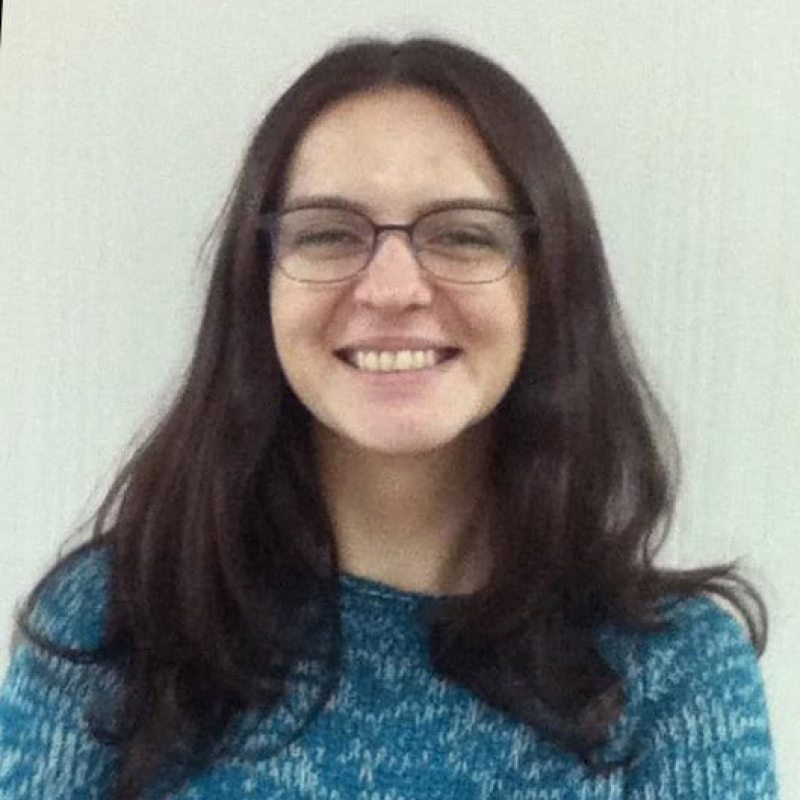
In December 2023 Natallia quit and decided to come back. Colleagues tried to talk her out of it. She said she missed home badly, and that for the 2020 donations she had already paid the KGB many times over and had a paper to show it.
The paper did not help. On 8 May 2024 she was detained at the border. The date is on Viasna’s file. Zerkalo writes that the donation records may have come from a banking app, private messages, a crypto app, or the phone’s memory — and that these may not have been the 2020 donations she had already “paid off.”
The prosecution said that in 2021–2022 she transferred at least 4,400 rubles to bank accounts and crypto wallets, including those of the Kalinoŭski Regiment. On 17 July 2024 the Brest Regional Court — judge Mikalai Sianko — gave her six years in a general-regime colony and a fine of 1,000 base units, 40,000 rubles at the time. The trial was closed. The charges were about “financing”: extremist activity (Art. 361-2, parts 1 and 2) and taking part in hostilities abroad (Art. 361-3, part 2). That is what the Brest regional prosecutor’s office reported. Nasha Niva, citing Viasna, put her name to the case. Viasna listed her as a political prisoner.
The child they had waited for was due behind bars
She served the sentence in Homiel. There something happened that no one had still hoped for. After a visit with her husband, Natallia became pregnant. The couple had long been unable to have children. The child they had waited for was supposed to be born behind bars. In January 2026 former political prisoner Maryna Zolatava wrote that the birth was expected around March. Nasha Niva reported it.
On 19 February 2026 she was released in the last trimester. Dictator Aliaksandr Lukashenka’s press service announced a pardon “out of humanity,” because she was pregnant, and cited her petition and her “repentance.” In the spring a son was born. On 22 April 2026 Zerkalo and Nasha Niva, citing Belsat, reported it.
For most people the ending is different
This story has a bright ending, but it had to coincide with a pregnancy and a pardon. Most of those who come back meet something else. For 2023 alone Viasna counted at least 207 people detained for political reasons after crossing the border. Zerkalo reported the figure. The number may be higher: rights defenders do not have a full count. For 2024, by September, there were more than 55 — again a known minimum, not the whole year. Viasna wrote that in its account of the pursuit of people in exile.
Homesickness is real. So is the border where handcuffs may be waiting.